AI Second Opinion: The Day AI Saved Me a Vet Trip
A hundred and fifty dollars. That is about what a vet visit costs before anyone even touches your dog. Keep that number in mind, because this story ends with me not spending it.
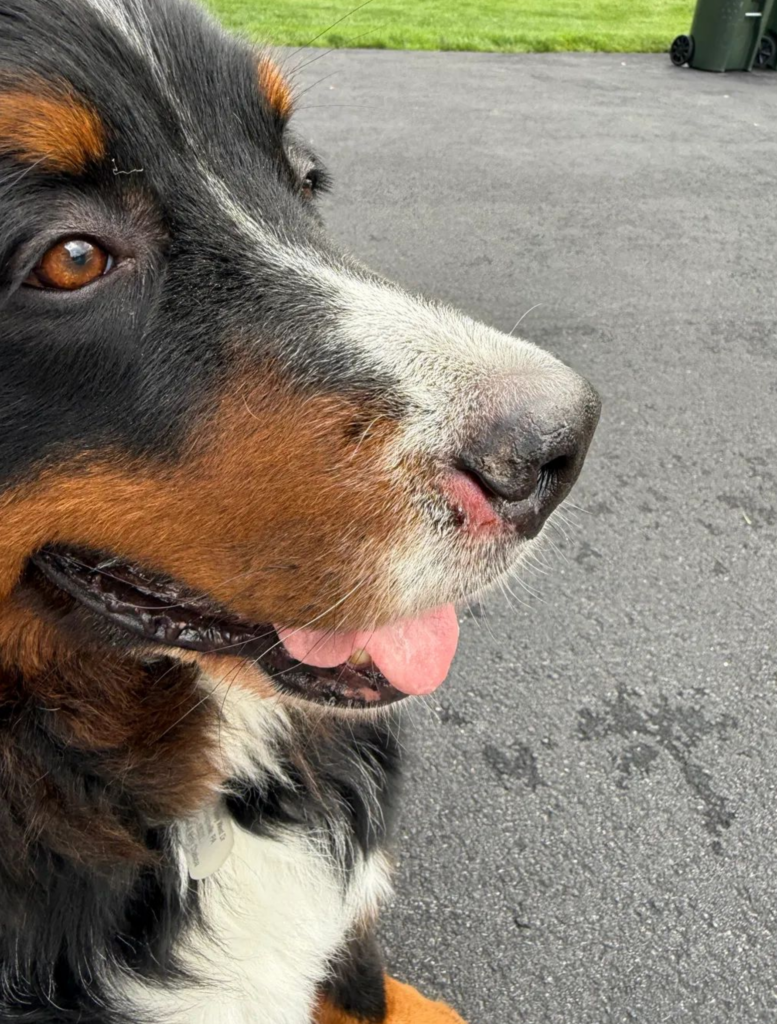
It was a warm, humid evening in early summer 2025, and I was sitting outside in our driveway with Hudson when I looked down at his nose. It is normally black. That night I noticed a patch of pink, with a small cut underneath, and it had been growing for a few days.
My first thought was not wait and see. It was flesh-eating bacteria, some kind of infection that gets worse overnight and turns into an emergency. I figured we would be at the vet before lunch the next day, and I started doing the math on what that visit would cost.
Instead of loading him into the car right then, I picked up my phone, took a photo of his nose, and sent it into ChatGPT with a couple sentences about what I was seeing and how long it had been going on. If you use the phone app, the camera works right inside the chat. Claude has this now too.
It came back with a clear read. This looks like a small infection. Here are two things to treat it with, a medicated wipe and a spray. Use them for two to three days. If it resolves, you are good. If it does not, go to the vet.
We had both products from Amazon the next day. I started the treatment that evening and went to bed still not sure which way this was going, whether I’d be canceling that vet trip in the morning or confirming it.
The next morning I leaned down expecting the worst and instead saw the edges of the patch already fading, like it was healing instead of spreading. Forty-eight hours after that first treatment, it was gone. Hudson’s nose was black again, like nothing had ever happened.
A phone photo, a short conversation, and a plan, instead of the car ride and waiting room I’d already resigned myself to. That is the whole story, and it saved us a vet bill of a hundred and fifty dollars or more, and it saved me a night of thinking about flesh-eating bacteria.
AI Can Read a Photo and Tell You What Is Wrong, Within Limits
And the limits are the interesting part.
These tools can now interpret images, not just text. That photo from my phone carried real information: the color of the patch, the cut, the texture around it. The model compared what it saw against an enormous amount of veterinary knowledge and came back in seconds with a structured read, a treatment to try, and a clear decision point built in.
The decision point matters more than the diagnosis. The answer was not your dog is fine. It was try this for two to three days, and if it does not resolve, go to the vet. A good second opinion always tells you when to escalate. This one did.
And this is not just pet owners in a driveway at night. I am in AI groups with surgeons and orthopedic specialists who use these tools to interpret MRIs and X-rays in real time, then compare that read against what the doctor is seeing. They tell me it gives them more confidence in their calls and catches mistakes. The AI reads alongside the doctor, not instead of the doctor.
Human Judgment Still Sits in the Same Place It Always Did
Think about the thermometer. When thermometers moved from the doctor’s office into the medicine cabinet, doctors did not lose their jobs. Parents gained the ability to know whether a fever was worth a trip. The thermometer never made the decision. It made the decision better informed, and the judgment stayed with the person holding it.
Same with Hudson. I checked that nose every morning while we treated it, half expecting to see it had spread. If it had, or if he had seemed to be in pain, we would have been at the vet without a second thought. The actual shift for me was not in what I believed about AI.
It was in what I reached for first. A weird symptom used to mean keys and a car and a waiting room in my head before I’d confirmed anything was actually wrong. This time it meant my phone, and the worst case in my head got a real answer in under a minute.
That is the pattern I keep seeing at work, and now I see it at home too. AI is not replacing the vet, the doctor, or the engineer. It is renewing what the human in the loop can do. The routine read gets faster and cheaper, and the human keeps the watch, the escalation call, and the responsibility.
There Is More of This Sitting Around Your House Than You Think
Meal planning from whatever is actually in your fridge, a personal trainer who builds a plan around your knees and your schedule, a first read on the weird noise in the car or the plant dying in the corner of the kitchen. You already have all of it in your pocket, and the only shift is remembering to ask, then treating the answer the way you would treat any capable second opinion: useful input, your call.
Hudson is doing fine, for the record. Nose is black again. He has no idea he almost cost me a hundred and fifty dollars, or that he was an example.
If you have had one of these small everyday AI moments, I would genuinely like to hear about it. Reply and tell me, or follow along here. I share what I am learning as I go.